Tuesday, 29 March 2011

PEPPADEW PEPPER SEED


CLICK HERE FOR THE NEW 'GARDEN OF EADEN WEBSITE' AND SEED SHOP

Want to buy pepper seed? Click here to view seed shop.

Peppadew is a trademark name

Peppadew pepper seed is notoriously difficult to get hold of. In fact there is almost a complete blackout of availability of of both peppadew pepper plants or its seeds on the open market. Why? Well it turns out that the distribution of peppadew pepper plant material is strictly controlled, and the growers of the Peppadew ‘fruit’ are made to sign a contract which – if they are found to be distributing seeds outside the company - could face prosecution from the licence holding company. So jealously controlled are the movements of this plant that the production fields where they are grown are actually guarded!

This intense control and security over what is at best a naturally occurring hybrid has resulted in a ‘growing’ underground movement formed by a small group of incensed yet passionate gardeners. Believing that the entire peppadew operation is extremely ‘thug-like’ and that any naturally occurring hybrid should belong to the world, they will go to any lengths to secure, grow and distribute peppadew pepper seeds around the globe.

Should you manage to obtain seeds from the sweet piquanté pepper – legally of course - sow indoors around January for if you want them to establish quickly for outdoor planting or sow anytime up to the end of March for greenhouse growing. Sow your sweet piquanté pepper seeds - adequately spaced - into either plugs or a seed tray containing John Innes ‘seed’ compost. Top them off with another 1/2 inch of compost then gently water them in. It's important that the seeds remain moist until they germinate and as such will require adequate ventilation to prevent fungal rots. If ventilation is poor you may need to spray your newly germinating seedlings with a liquid fungicide once a week to protect them.

Once germinated – this will be normally between 7 and 24 days - pepper seedlings will require plenty of light, in fact for optimal growth they will need between 12 to 16 hours of light a day. If the weather isn’t yet suitable for planting outside then they will need to be placed onto a south-facing windowsill but remember to turn them daily to keep them from acquiring a permanent lean. Once the seedlings have produced four leaves they will be ready to prick out into individual pots, but you need to be careful so as not to damage the fragile root system. The safest way is to gently hold onto one of the sturdier leaves while using either a pencil or slim dibber to lift the roots as intact and undisturbed as possible.

When re-potting, use either a standard multipurpose compost or John Innes ‘No.1’ or ‘No.2’ potting compost. Grow them on for another couple of weeks and they will be ready for either the greenhouse or for planting directly outside into open ground once the threat of frosts is over. Make sure you choose a location that is in full sunlight and - if you have it - mix in some mushroom compost or other organic compost to help keep the soil fertile and moist.

Of course remember that pepperdew peppers are a brand name for processed sweet piquanté pepper. Applications have been made by the Peppadew company to The International Union for the Protection of New Varieties of Plants, otherwise known as the UPOV. With this in mind there can be no breeding of the pepperdew pepper plant without the express permission of the owners of these rights - AVI(South African Company.

For more information click onto: How to Germinate and Grow Cucumbers from Seed How to Germinate and Grow Okra from Seed Indoors How to Germinate and Grow Melon Plants from Seed How to Grow Aubergines From Seed How to Grow Beetroot from Seed How to Grow Butternut Squash from Seed How to Grow Chinese Spinach from SeedHow to Grow Eggplants from Seed How to Grow Giant Onions How to Grow Jalapeno Peppers from Seed How to Grow Okra from Seed Outdoors How to Grow Red Kidney Beans from Dried Seed How to Grow Sweet Corn from Seed How to Grow Sweet Potatoes in Pots or Containers How to Propagate and Grow Chili Peppers from Seed How to Propagate and Grow Sweet Peppers from Seed How to Propagate and Grow the Bell Pepper from Seed How to Sow and Grow Courgettes from Seed Indoors How to Sow and Grow Courgettes from Seed Outdoors How to Sow and Grow Spring Onions from Seed

Friday, 25 March 2011

WHAT CAUSES MOSS IN LAWNS


CLICK HERE FOR THE NEW 'GARDEN OF EADEN WEBSITE' AND SEED SHOP

Finding that you have a significant amount of moss in your lawn is perhaps the most common horticultural problem you will come across in a garden. However, while moss is neither a pest nor a disease it is perhaps the least understood of all lawns problems. Why, because simply killing of the moss in your lawn is no solution at all. At least while the moss was alive your lawn ‘looked’ green, but with the moss dead, subsequently turning brown and exposing the soil beneath, your lawn will look worse than ever!

With that in mind, try and resist the lure of row upon row of Moss killers that will be calling out your name as you walk round every supermarket and garden centre. To understand what causes moss in lawns you must look at the bigger picture, and it is all down to the local environment. There are certain conditions that moss requires in order to flourish. Say yes to two or more of these conditions and there is a high probability that there could be a moss problem in your lawn just waiting to be discovered. Put simply, moss is unable to get a decent foot in your lawn if the grass is properly maintained and healthy. Therefore a good lawn care regime is your best defence against a subversive moss attack. As soon as the lawn falls into poor condition moss will be given the advantage and will try and take over.

SHADE

Under the right situations moss will thrive in your lawn. Moss also has a great capacity for spreading quickly and for good reason too, it can self propagate from smaller pieces of itself as well as being able to produce juvenile plants from spores. However, of all the environmental conditions that favour the growth of moss, a shady lawn has to be one of the best. The reason for this is because - unless you have a specific mix of grass specially cultivated for shady areas - lawn grass does not cope well in shade, nor will it like the damp soil conditions that tend to accompany this. The grass will grow weakly in these low light areas, eventually to become increasingly patchy if left to its own devises. Furthermore, without the warmth of direct sun the soil will find it harder to dry out. The moss will excel in these more favourable conditions and over time will out-compete the grass.

WET SOIL AND POOR DRAINAGE

Lawns that grow on soils that are periodically waterlogged will be at risk from moss for similar reasons to that of lawn grown in shady areas. This can be partly due to compacted soil, or by the lawn being laid onto a heavy/clay soil. The roots of the grass require air pockets in the soil so that the plant cells within the roots have access to oxygen. This oxygen is required for these cells to metabolise - without which the cells, and later the roots themselves, will die. Simply put, the health of your lawn can severely suffer in waterlogged conditions allowing the moss to take a foot hold. In extreme or prolonged conditions the moss will once again out-compete the turf.

NOT ENOUGH WATER!

This may sound at odds with the previous statement but there is some sense to it- even though it may not be immediately obvious. When lawns are left to fend for themselves over hot dry summers, they will tend to thin out and brown off. Unfortunately, these gaps within the turf can be all that is required for dormant mosses and their spores to take off. All you need to do is wait for the autumn rains to arrive for your moss to take a clear advantage over these weakened areas.

THIN, SHALLOW SOILS

If your turf or grass seed was grown on soil that is less than four to five inches deep, it is not considered deep enough to grow and maintain a healthy, vigorous lawn. Of all the environmental conditions that can have a detrimental effect on your lawn, this is probably the one that is the most difficult to deal with. Unless you are prepared to remove your turf and start again (with the addition of a few more inches of topsoil) it is probably going to take a few years to deal with. Why? Because other than periodically brushing thin layers of topsoil on to your existing turf there is not much else you can do. As mentioned before, the better condition your grass is, the better it will be at fending off moss.

ACIDIC SOILS

Put simply, lawn grass does not care for acidic soil whereas moss will happily to its hearts content. In order to be sure that soil acidity is a factor you will need to carry out a soil test to assess the acidity of the soil. If your soil is indeed acidic then it is likely in need of adjustment. In order to rebalance the soil, lime can be applied in the autumn.

CUTTING YOUR LAWN TOO SHORT

This is quite possibly one of most common reasons as to why moss is allowed to gain an advantage in lawns. Cutting your lawn as short as possible, may well make your grass look amazing but over time the constant removal of healthy growth will tire the grass and leave it in a weakened condition. As I am sure you know by now, a weakened lawn will allow moss to take advantage and establish itself.

For related articles click onto:
How to Control Weeds in the Lawn
How to Improve Drainage in Lawns
How to Grow a Lawn from Seed
How to Get Rid of Moss in Lawns?
What is E.Coli?
What is Seed Dormancy?

Photo care of ecolocalizer.com

Thursday, 24 March 2011

HOW TO MAKE AN ASPARAGUS BED


CLICK HERE TO VIEW THE NEW 'GARDEN OF EADEN' WEBSITE

Want to buy asparagus seed? Click here to view seed shop. .

Of all the edible crops you are likely to grow, asparagus will probably require the most preparation. And for good reason too, because you could be reaping the rewards of freshly cut asparagus tips for the next 15 or so. Luckily, most of the work is done before you even plant your asparagus plants, after which is it mostly a case of weeding and waiting for your next asparagus crop. Why, because the art of successful asparagus it is all down to making and preparing a decent asparagus bed. The first thing to consider before anything else is where to position your asparagus bed and it will need to be of a reasonable size too as the root system of each plant can extend out by as much as 1 sq/yard! When planting in rows you will need to look at creating an asparagus bed about 4ft wide, however,it can be as long as you like so long as each plant is about 1½ft from the edge of the bed as well as between each subsequent plant. If you are short of space try planting them in a zig-zag pattern to help use your space more efficiently.

Asparagus will thrive in most well-drained soils, but they will need to get full sun for at least six hours per day and a certain amount of protection from strong winds. In exposed areas you will need to put in some type of support to avoid damage to the stems. In preparation for the new crowns (try not to plant anything over two years old as they tend not to transplant rticularly well) you can start in the autumn by thoroughly digging over the proposed asparagus bed area, removing any perennial weeds you come across. You can also consider testing your soil’s nutrient levels and pH at this time as this will help you to determine what type and how much fertilizers your bed will require. Poor levels of nutrition can cause fibrous spears and weak growth while soils with an acidic pH of less than 6.5 can restrict growth or in severe cases even kill the crop itself. If your soil is too acidic, you’ll need to apply the appropriate amount of lime as indicated by your soil test. Conversely, if your soil is too alkaline then you can consider apply ‘flowers of sulfur’ or epsom salts.

If that all seems a bit technical don’t worry, just dig the bed over as thoroughly as possible mixing in plenty of well-rotted farm manure as you do so. You may also wish to add general fertilizers at this point and possibly even apply specialized fertilizers high in micro-nutrients. When adding organic matter try not to go down further than eight inches, especially in clay soil. This can cause anaerobic decomposition within the soil which in turn can easily damage the root systems of your asparagus plants.

THE 'DEEP PLANTING' TECHNIQUE

Once you’ve applied the various remedies to help improve you soil for asparagus production they can be left until the spring. Them after the last of the spring frost you can dig out planting trenches of no less than 10 inches deep and 10 inches wide – any additional trenches should be spaced about 2 ½ ft to 3ft apart. At the bottom of the trench add dig some more well-rotted manure, but also add about one teaspoon of phosphate fertilizer for each foot of the trench. Add another inch of soil on top of this so as to avoid placing the crowns directly onto the fertilizer. Slightly mound the soil down the center of the trench, and you are ready to plant your crowns. Trying not to damage any part of the root system, carefully remove your new asparagus plants from their pots and settle them on the bottom of the trenches about 1½ ft apart. Back-fill the trench until the roots are covered by a couple of inches soil – making sure that the green buds are still above the soil level - and give them a good watering in. Over the summer, continue to gradually back-fill the trenches as the new shoot grow above ground level, but be careful not to cover any of the asparagus foliage.

When the trench is completely filled, mulch around the plants with another couple of inches of organic matter and continue to keep weeds away from the plants root systems. Asparagus have a tendency to "rise" as the plants mature which allows the crowns to gradually grow closer to the soil surface. This ‘deep planting’ technique will encourage a not only a stronger root system, but it will also protect the slender shoots of young plants from damage by strong winds. During their first season, keep newly planted crowns damp and try to avoid them from drying out during hot weather. Although succulent spears may appear soon after they have been planted, try to avoid the temptation to harvest them as you will only weaken the crowns. During their first two years of growth, asparagus plants should really be left to produce as much ferny foliage as possible. Once these have been allowed to die back naturally in the autumn they can be cut down to a couple of inches above the soil level.

IT'S ALL ABOUT THE ROOTS!

Most asparagus plants will be ready for harvesting after two years, although there are now several modern varieties have been cultivated for earlier cropping. To harvest spears, wait until they are about 6 inches long and then break them off using a firm twisting motion while holding them near the bottom. If you use a knife or similar blade then you risk damaging the newly forming spears as they appear at ground level. Finish harvesting in mid-June as this will allow the plant to build up its energy reserves for next years harvest. It is also a good idea to give your plants application of general fertilizer or another mulching of well rotted farm manure as this will help enormously with foliage and root production. Without a healthy root system the asparagus plant will be unable to produce anything like the size or quantity of quality spears you would otherwise expect.

For more information click onto:
Asparagus Soup
Growing Asparagus from Seed
How to Build a Dry Stone Wall
How to Catch Crayfish
How to Grow Asparagus from Seed
How to Grow Asparagus from Seed Indoors
How to Grow Asparagus Plants from Seed Outside
How to Grow Asparagus Plants
How to Grow Sweet Potatoes in Pots or Containers
How to Plant Asparagus Crowns
How to use Crop Rotation on an Allotment
Organic Control of Asparagus Rust
What are Plant Macronutrients and Micronutrients?

HOW TO GROW CORIANDER FROM SEED


CLICK HERE FOR THE NEW 'GARDEN OF EADEN' WEBSITE AND SEED SHOP

Coriander is now one of the most common herbs in use today. Superb at livening up salads and essential in many Asian dishes, its recent popularity may be due in part to the plants culinary adaptability. This is because both the seeds and the leaves of the coriander plant can used in cooking. The seeds have a slight lemony flavour - these are often ground up and used as a spice. While the leaves have a fresh and slightly bitter taste, and these are usually chopped up and added to dishes, breads or used raw as a garnish.

Of course, coriander is easily available in supermarkets. If fact you will generally have a choice of buying it dried, pre-packed freshly cut stems or even living/growing potted plants. Be that as it may, none of these options will give you the quality of flavour that can be produced by growing your own coriander plants. Why? Well dried coriander will always lose flavour during the drying process – this is an obvious inevitability. The freshly cut stems are from plants that are grown in highly controlled nursery conditions whose sole aim is to produce a product that fits a size and weight – not a quality of flavour. The same can be said for the pot grown coriander. These plants would have been fed on a computer controlled nutrient drip irrigation system and then placed under light controlled systems to help draw them up to a specific size. You may even find that that they have been subject to plant growth hormones such as gibberellic acid. While these techniques can show excellent results when growing a plant to a required size, in the quickest possible time, they are not designed to grow a plant with the best possible flavours. However, this can be improved by re-potting supermarket plants into a good quality soil based compost followed by hardening the plants off for a suitable position outside. Just be aware that it may take a few weeks before you end up with a decent tasting plant!

PROPAGATIONCoriander is easily grown from seed, but because the roots are very sensitive to disturbance they should be grown in pots, modular trays – or better still, sown directly outside into their final position. Be aware that transplanting young coriander plants outside into their final position can stress them to a point where they will bolt i.e. go to seed. Of course this is fine if you are growing coriander for its seeds, but not if you are growing coriander for its leaves!

If you have the protected space available then you can consider sowing coriander at any time of the year so long as average temperatures are not likely to drop below 16 degrees Celsius. This makes coriander ideal for growing indoors so long has you have a sunny windowsill or conservatory as you will need at least 4 hours of bright light per day to maintain healthy growth.

Using a suitable sized pot or container – it will need to be at least 6 inches deep so that the root system can develop – fill it with a good quality multipurpose compost such as John Innes no 1 or 2. You may wish to mix in horticultural grit or perlite to help improve drainage. Sow seeds into holes around ½ inches deep, with each seed 2 inches apart and then lightly cover with some more compost. You can expect the coriander seed to germinate anytime form a few days up to no more than 3 weeks,. From this point on they will need to be regularly watered making sure that the soil never dries out. Just make sure that the young root systems do not become waterlogged through over watering!

If your are planning on starting your coriander seed outside then you can sow them from late April or early May onwards. This is to ensure warm soil temperatures as coriander seed will not germinate in cold weather. You may be able to start earlier that that if they are sown under the protection of a cloche or small poly tunnel.

When direct sowing coriander seed outside choose a sunny, sheltered position, but one that can offer a certain amount of shade during the hottest part of the day in order to keep the foliage soft and flavoursome. If you are growing coriander predominately for its seed then you are better off sowing in full sun without any protection as the hot stressful conditions will trigger flower production far earlier.

Prepare the soil by digging in plenty of organic matter such as well rotted manure or garden compost. When finished, rake over the bed until the top couple of inches turn to a fine tilth then sow each coriander seed ½ inch deep and two inches apart. Cover the seed back over with soil and water in. If you are planting in rows, space each row 1-1/2ft apart. The seed should germinate anytime from a few days up to 3 weeks depending on the weather.

Once the germinated seedlings have reached a height of between 2-3 inches, the weaker plants can be thinned out to one plant for every 4 –5 inches. That way, each plant has enough room to grow to its full size. If you are growing the coriander for its foliage than make sure that you remove any flowering spikes other wise the plants will direct all of their energy into producing flowers and seeds and little or no energy into producing leaves.

You can begin harvesting leave from your coriander plants once they have reached 4 inches in height. Picking the older leaves first will help to encourage further plant growth.

In order to maintain plant vigour, apply a liquid feed to the soil or compost every 2 – 3 weeks during the growing period.

TIP. Sow new batches of coriander seed every three weeks to ensure you have a continual supply during the summer.

For related articles click onto:
Coriander
Garlic - a Cure for Cancer?
Garlic - a Cure for High Blood Pressure?
Growing Oregano from Seed
How to Grow Aloe vera from Seed
How to Grow the Angel's Trumpet from Seed
How to Grow Basil from Seed
How to Grow Basil from Seed Indoors
How to Grow Celery from Seed
How to Grow Cucumbers from Seed
How to Grow Garlic
How to Grow Garlic in Pots and Containers
How to Grow your own Garlic in the Garden
How to grow Herbs from Seed
How to Grow Oregano from Seed
How to Grow Parsley from Seed in Outdoor Beds
How to Grow Parsley from Seed Indoors
How to Grow Rocket from Seed
How to Grow Tomatoes from Seed
How to Plant Garlic in Containers
Improve you Sex Life with Fenugreek Herbs
Overwintering Your Herbs
The Saffron Crocus - Crocus sativus
Turmeric Spice - a Cure for Cancer, Dementia, and Arthritis?
How to Propagate the Saffron Crocus

Photo care of the BBC and Otterfarm

Wednesday, 23 March 2011

HOW TO GROW ONIONS


CLICK HERE FOR THE NEW 'GARDEN OF EADEN' WESITE
.
Want to buy onion seed? Click here to view seed shop.

Onions are the mainstay of many traditional meals and with prices of fresh produce steadily rising, growing your own onions has never been more attractive. However the price of onions should be the least of you concerns. Why? Because the far superior flavour and quality of home grown onions should be more than enough reason to justify growing them.

There are two schools of thought when it comes to growing onions - should you grow them from seed or onion sets? Its a good question and to be fair I do both. Growing onions from seed is cheap, and fulfilling - well I find it fulfilling, I can't speak for anyone else - while onion sets can go in later and hit the ground running - as it were.

GROWING ONIONS FROM SEED

When growing onions from seed, the secret is in the preparation. If you look at how the most exhibitors grow their prize winning onions it's always from seed, so you know you are already on for a good start. To begin with you need a sunny site with good drainage but the key is to grow them in a permanent bed in order to build up the soil fertility. There is a down side to this however as you can also encourage the build up of diseases. With that in mind it's advisable to rotate your onion bed with the rest of the vegetable garden every few years - unless you are in the habit of periodically steralising your soil.

If you can, start preparing your onion bed in the autumn by digging in plenty of well-rotted farm manure. This will give the ground a chance to settle over the winter period and allow frosts to break down the soil clods. If you soil is too acidic – below pH 5.5 – you will need to add lime to it according to manufactures recommendations. In general, onions prefer a pH of between 6 and 7.5.

It's possible to grow good onions on heavy soil, but you must improve the drainage first before planting. Add plenty of horticultural grit and bulky organic matter to the soil and then create a ridge of soil 4 inches high to further reduce soil moisture.

You can sow main-crop onion seeds as soon as your soil will allow which can be any time from late February, but you can steal a march here by picking a dry day a few weeks before sowing time and raking the soil to a fine tilth. Onions like a firm bed so tread over the area you have just raked.

Try adding a general fertiliser like growmore for extra fertility, and for an even earlier crop you can sow onion seed under glass or cloches in January.

Choose a dry day to sow onion seed when the soil is moist but not too wet, then plant the seed very thinly into drills ½ inch deep. If you are planting more than one row then each row should be at least 9 inches apart. Carefully cover the onion seed with soil and gently water in. Germination should then take approximately 21 days to occur. Once the new seedlings have began to push through the soil, they can be thinned out to between 1 and 2 inches apart. After a couple more weeks these can be further thinned out to one plant to every 4-5 inches. Remember to clear away all of your discarded thinning so as not to attract onion fly.

You will need to keep a a particular eye on the newly sprouting onion shoots as these will often attract the attention of inquisitive birds – particularly pigeons and black birds - who will lift your juvenile crops straight out of the seed beds for nothing more than a little mischievous fun. If you don't have some kind of protection in place you can end up losing almost an entire crop!
.
Onions are not very good at supressing weed growth, and if regular weeding is neglected they will easily be out competed for nutrients resulting in your crop becoming stunted. Try to leave enough space between the rows to get your hoe in for weeding, but always hand-weed any weeds close to your onions as they can be easily damaged by garden tools.

To maintain a good year-round supply of onions, you can make a second planting during the late summer which should be ready to harvest from June. However, this second planting isn't recommended if you have heavy, poorly drained soils. In general, onions should be given as long a growing season as possible to reach their maximum size.

Your main crop onions should be ready for harvesting any time between August to September depending on both the weather and the individual variety. The onion bulb will be mature when the foliage turns yellow and begins to tip over, but you will need to leave them for another couple of weeks before lifting.

Choose a dry day and if the onions are fully ripe they will lift easily from the ground, any problems and you can carefully ease them out of the soil using a hand fork. They will now need to be dried and depending on the weather or the size of your onions this will take approximately 2-4 weeks for them to properly cure before they are ready for the kitchen. If any of your onions have developed thick 'necks' over the growing season, use these ones straight away as they will not store well and will be more prone to neck rot.

GROWING ONIONS FROM ONION SETS

Growing onions from onion sets is probably the easiest way to produce a good crop of quality onions and generally you will achieve better success this way when compared to growing onions from seed.

To begin with you need a sunny site with good drainage but the key is to grow them in a permanent bed in order to build up the soil fertility. There is a down side to this however as you can also encourage the build up of diseases so it is advisable to rotate your onion bed with the rest of the vegetable garden. Avoid soils that have been planted with onions within the past three years, and because onions are shallow rooted and poor competitors with other plants, try and avoid sites with a history of perennial weeds.
.
It is possible to grow onions on the same bed year after year but in order to maintain successful and healthy cropping a strict health routine must be followed. If there are any onions that you suspect are harbouring any kind of disease then remove not only the plant but also a small amount of soil from where the onion was growing. Hopefully this will eliminate any unwanted bacteria in the soil. It is also worth watering the bed with a dilution of Jeys Fluid once the crop has been harvested - this again will help to kill any unwanted bacteria or fungi. There are onion beds that were started over 140 years ago that are still in production today using this method!
.
If you can, start preparing your onion bed in the autumn by digging in plenty of well-rotted farm manure. This will give the ground a chance to settle over the winter period and allow frosts to break down the soil clods. If you soil is to acidic – below pH 5.5 – you will need to add lime to the bed according to manufactures recommendations. In general, onions prefer a pH of between 6 and 7.5 and a fine tilth to be planted into. Weather permitting, the frosts should do a good job of this.
.
You can plant onion sets as soon as your soil will allow you to which can be any time from late February, but you can steal a march here by picking a dry day a few weeks before planting and raking the soil to a fine tilth. Onions like a firm bed so tread over the area you have just raked. Try adding a general fertiliser like growmore for extra fertility, and for an even earlier crop you can plant onion sets under protective cloches at the end of January. (There is an advantage that can be gained by setting up cloches before planting. If cloches are placed over the ground prior to planting, the ground has some time to warm up, reducing the chances of a check in growth). The soil may require some watering to achieve a uniform moisture before planting onion sets, but try and avoid planting them into a dry bed.
.
Plant onion sets 4 inches apart in rows about 1 foot apart and plant them to a depth where only the very tips of the sets are just showing through the soil. Dig a hole in the soil with a trowel and place them in the hole with their necks uppermost. Do not just push them into the soil as they may grow out of the soil as the season progresses.

Micro-nutrients are also important in onion production - in particular boron and zinc - so look at giving your onions a periodic liquid feed of seaweed based fertiliser. However if your onions are clearly growing well then this will probably be unnecessary.

You will need to keep a a particular eye on the newly sprouting onion shoots as these will often attract the attention of inquisitive birds – particularly pigeons and black birds - who will lift your juvenile crops straight out of the seed beds for nothing more than a little mischievous fun. If you don't have some kind of protection inplace you can end up loosing almost an entire crop!

Onions are not very good at supressing weed growth, and if regular weeding is neglected they will easily be out competed for nutrients. This will result in your crop becoming stunted. If you can leave enough space between the rows to get your hoe in for weeding. However, always hand-weed any weeds close to your onions as they are easily damaged by garden tools.

To have a year-round supply, you can make a second planting during the late summer which should be ready to harvest from June, although a second planting isn't recommended in heavy, poorly drained soils.
.
In general, onions should be given as long a growing season as possible to reach their maximum size.Your main crop onions should be ready for harvesting any time between August to September depending on both the weather and individual varieties. The onion bulb will be mature when the foliage turns yellow and begins to tip over, but you will need to leave them for another couple of weeks before lifting. Choose a dry day and if the onions are fully ripe they will lift easily from the ground by hand, any problems and you can carefully ease them out of the soil with a gardening fork. They will now need to be dried and depending on the weather or the size of your onions it will take approximately 2-4 weeks for them to properly cure. They are now ready for the kitchen. If any of your onions have developed thick 'necks' over the growing season, use these ones straight away as they will not store well and are prone to neck rot.

.For more information click onto:
Asparagus Soup
Buy Giant Onion Seed
Growing Garlic in Containers
Growing Onions from Seed
Growing Onions from Sets
How do you Plant Out Onion Seedlings?
How to Grow Carrots from Seed
How to Grow Garlic
How to Grow Garlic in Pots and Containers
How to Grow Garlic in the Garden?
How to Grow Giant Onions
How to Grow Onions From Seed
How to Grow Sweet Corn
How to Grow Sweet Corn from Seed
How to Grow Sweet Potatoes in Pots or Containers
How to Make and Prepare an Onion Bed
How to Make my Recipe for English Onion Soup
How to Sow and Grow Spring Onions from Seed
Planting Onion Sets
Why do Onions make you Cry?
बीज से प्याज कैसे विकसित करने के

Main photo care of soilman

Friday, 18 March 2011

CORIANDER


CLICK HERE FOR THE NEW 'GARDEN OF EADEN' WEBSITE AND SEED SHOP

Native to Southern Europe and the Middle East, coriander is a well known herb for flavouring Asian cooking. However as the popularity of Asian food has spread into Europe and the new world, it has quickly become one of the most widely used herbs on the planet.

This popularity may be due in part to the plants culinary adaptability as both the seeds and the leaves of the coriander plant can used in cooking. The seeds have a slight lemony flavour - these are often ground up and used as a spice. While the leaves have a fresh and slightly bitter taste, and these are usually chopped up and added to dishes, breads or used raw as a garnish.


GROWING CORIANDER FROM SEED

Coriander is easily grown from seed, but because the roots are very sensitive to disturbance they should be grown in pots, modular trays – or better still, sown directly outside into their final position. Be aware that transplanting young coriander plants outside into their final position can stress them to a point where they will bolt i.e. go to seed. Of course this is fine if you are growing coriander for its seeds, but not if you are growing coriander for its leaves!

If you have the protected space available then you can consider sowing coriander at any time of the year so long as average temperatures are not likely to drop below 16 degrees Celsius. This makes coriander ideal for growing indoors so long has you have a sunny windowsill or conservatory as you will need at least 4 hours of bright light per day to maintain healthy growth. .Using a suitable sized pot or container – it will need to be at least 6 inches deep so that the root system can develop – fill it with a good quality multipurpose compost such as John Innes no 1 or 2. You may wish to mix in horticultural grit or perlite to help improve drainage. Sow seeds into holes around ½ inches deep, with each seed 2 inches apart and then lightly cover with some more compost. You can expect the coriander seed to germinate anytime form a few days up to no more than 3 weeks,. From this point on they will need to be regularly watered making sure that the soil never dries out. Just make sure that the young root systems do not become waterlogged through over watering!

If your are planning on starting your coriander seed outside then you can sow them from late April or early May onwards. This is to ensure warm soil temperatures as coriander seed will not germinate in cold weather. You may be able to start earlier that that if they are sown under the protection of a cloche or small poly tunnel.

When direct sowing coriander seed outside choose a sunny, sheltered position, but one that can offer a certain amount of shade during the hottest part of the day in order to keep the foliage soft and flavoursome. If you are growing coriander predominately for its seed then you are better off sowing in full sun without any protection as the hot stressful conditions will trigger flower production far earlier.

Prepare the soil by digging in plenty of organic matter such as well rotted manure or garden compost. When finished, rake over the bed until the top couple of inches turn to a fine tilth then sow each coriander seed ½ inch deep and two inches apart. Cover the seed back over with soil and water in. If you are planting in rows, space each row 1-1/2ft apart. The seed should germinate anytime from a few days up to 3 weeks depending on the weather.

Once the germinated seedlings have reached a height of between 2-3 inches, the weaker plants can be thinned out to one plant for every 4 –5 inches. That way, each plant has enough room to grow to its full size. If you are growing the coriander for its foliage than make sure that you remove any flowering spikes other wise the plants will direct all of their energy into producing flowers and seeds and little or no energy into producing leaves.

You can begin harvesting leave from your coriander plants once they have reached 4 inches in height. Picking the older leaves first will help to encourage further plant growth.

In order to maintain plant vigour, apply a liquid feed to the soil or compost every 2 – 3 weeks during the growing period.

TIP. Sow new batches of coriander seed every three weeks to ensure you have a continual supply during the summer.

For related articles click onto:
Garlic - a Cure for Cancer?
Garlic - a Cure for High Blood Pressure?
Growing Oregano from Seed
How to Grow Basil from Seed
How to Grow Basil from Seed Indoors
How to Grow Coriander from Seed
How to Grow Garlic
How to Grow Garlic in Pots and Containers
How to Grow your own Garlic in the Garden
How to grow Herbs from Seed
How to Grow Oregano from Seed
How to Grow Parsley from Seed in Outdoor Beds
How to Grow Parsley from Seed Indoors
How to Plant Garlic in Containers
Improve you Sex Life with Fenugreek Herbs
Overwintering Your Herbs
The Saffron Crocus - Crocus sativus
Turmeric Spice - a Cure for Cancer, Dementia, and Arthritis?
How to Propagate the Saffron Crocus


Photo care of the BBC and Otterfarm

Tuesday, 15 March 2011

GARDENING IN THE ARCTIC CIRCLE - Greenland


CLICK HERE FOR THE NEW 'GARDEN OF EADEN' WEBSITE AND SEED SHOP

For those who do not already know, Greenland is the world’s largest island. It is also a mountainous country situated between the Atlantic and Arctic oceans, and while its name suggests a land covered in dense alpine woodland, it is in fact largely covered by Arctic Tundra.

The Arctic Tundra is considered to be the youngest biome in the world, having been formed a mere 10,000 years ago. To clarify, a biome is a large geographical area characterized by certain types of plants and animals. Located in the latitudes 55 degrees to 70 degrees north, this vast and treeless territory covers approximately 20 percent of the surface of the Earth, as well as encompassing the North Pole. Of all the biomes in the world the Arctic tundra is considered to be the coldest, and with less than 10 inches of rain in a year it is strangely, also the driest.

Southernmost Greenland averages about 10 degrees Celsius which is just warm enough to support some trees including the silver birch, European birch, balsam poplar and mountain-ash. With temperatures dropping the further north you go it’s not surprising that the majority of human and wildlife populations cling mainly to the ice-free shorelines of the sea and fjords. Of course, where there are human populations there are inevitably gardens of some description, and Greenland is no different. In fact Greenland is host to both ornamental and vegetable gardens even though the soil here is low in both minerals and nutrients.

Obviously, cool-season crops dominate with lettuce, cabbage and radish being the most popular choices. One brave soul has attempted to grow potatoes out of large portable cold frames. They would start the tubers under glass at the beginning of the arctic summer (24 hours of light means they stayed warm at all times). Then once the plants reached the glass, the lids were removed and the potatoes were allowed to continue their upward growth unimpeded.

Fast growing annuals have also found their way into many of the gardens of Greenland, the most popular being pansies, violas, alyssum, stock, cornflower and calendula. Greenland gardeners are also known to take risks with more ‘exotic' plants. Perhaps the most popular is the common Iceland poppy, Papaver nudicaule. These do so well here, that they actually grow as garden escapes along suburban roadsides.

Also common in many of the gardens is the globeflower (Trollius europeaus), leopard's-bane (Doronicum orientale), orange avens (Geum X bourisii), columbine (Aquilegia vulgaris) and polyanthus which are normally considered to flower in the spring – for the gardeners of Greenland however, they will be in full glorious bloom in August!

If you keep your eyes open you may even come across the odd specimen of fireweed (Epilobium angustifolium), monkshood (Aconitum napellus), angelica (Angelica archangelica) and lady's-mantle (Alchemilla sp.)

The importance of using native plants as garden flowers is not lost on Greenland gardeners either as floral display of riverbeauty (Epilobium latifolia), Arctic poppy (Papaver radicatum) or harebell (Campanula rotundifolia) can be every bit as attractive as many of our far warmer ‘exotic' ornamentals.

For related articles click onto:Dahlia 'War of the Roses'
HMS Victory - Worlds Greatest Warship
Lost Tulips of the Dutch Golden Age- Semper Augustus and Viceroy
Majorelle Gardens Morocco
Plants and Trees of the Garden of Eden
Poinsettia History and Tradition Story
RHS Wisley Gardens - A Photographic Walk Through
Rome: How to get to Villa D'Este from Rome
Rome: Opening Times for Villa D'Este
Sissinghurst Gardens - a secret history
Stories, Myths, Legends and the Folklore of Hellebores
The History of the Christmas Tree
The History of Mistletoe Tradition
The History of the Jack O'Lantern Hallowen Pumpkin
The History of the Primula Auricula
The History of Rhubarb
The History of the Pineapple
The Legend of the Jack O'Lantern Tradition
The Story and History of Common Box
Tulip History and Popular Varieties
Where is the Location of the Garden of Eden
William Astor, Hever Castle and the Worlds Greatest Pleasure Garden

Main photograph care of Constantine Alexander

GROWING ONIONS FROM SETS


CLICK HERE FOR THE NEW 'GARDEN OF EADEN' WEBSITE

Want to buy onion seeds? Click here to view seed shop

Growing onions from onion sets is about probably the easiest way to produce a good crop of quality onions and generally you will achieve better success planting onion sets compared to growing onions from seed.

To begin with you need a sunny site with good drainage but the key is to grow them in a permanent bed in order to build up soil fertility. There is a down side to this however, as you can also encourage the build up of diseases. With this in mind, it may be advisable to rotate your onion bed with the rest of the vegetable garden once in a while.

Avoid soils that have been planted to onions within the past three years, and because onions are shallow rooted and poor competitors with other plants, try and avoid sites with a history of perennial weeds.
.As mentioned previously, it is possible to grow onions on the same bed year after year but in order to maintain successful and healthy cropping a strict health routine must be followed. If there are any onions that you suspect are harbouring any kind of disease, remove not only the plant but also a small amount of soil from where the onion was growing. Hopefully this will eliminate any unwanted bacteria in the soil. It is also worth watering the bed with a dilution of Jeys Fluid once the crop has been harvested - this again will help to kill off any unwanted bacteria or fungi. There are onion beds around from over 140 years ago that are still in production today using this kind of method!

If you can, start preparing your onion bed in the autumn by digging in plenty of well-rotted farm manure. This will give the ground a chance to settle over the winter period and allow frosts to break down the soil clods. If you soil is to acidic – below pH 5.5 – you will need to add lime to the bed according to manufactures recommendations. In general, onions prefer a pH of between 6 and 7.5 and a fine tilth to be planted into. Weather permitting, the frosts should do a good job of this.

You can plant onion sets as soon as your soil will allow you to which can be any time from late February onwards, but you can steal a march here by picking a dry day a few weeks before planting and raking the soil to a fine tilth. Onions like a firm bed so tread over the area you have just raked. Try adding a general fertiliser like growmore for extra fertility, and for an even earlier crop you can plant onion sets under protective cloches at the end of January. (You can gain an advantage by setting up cloches before planting. If cloches are placed over the ground prior to planting, the ground has a chance to warm up, reducing the chances of a check in growth). The soil may require some watering to achieve a uniform moisture before planting onion sets, but try and avoid planting them into a dry bed.

Plant onion sets 4 inches apart and in rows about 1 foot apart. Plant onion sets to a depth where only the very tips of the sets are just showing through the soil. Dig a hole in the soil with a trowel and place the onion sets the hole with their necks uppermost. Do not just push them into the soil as they may grow out of the soil as the season progresses.

Micro-nutrients are also important in onion production - in particular boron and zinc - so look at giving your onions a periodic liquid feed of seaweed based fertiliser. However if your onions are clearly growing well then this will probably be unnecessary.

You will need to keep a a particular eye on the newly sprouting onion shoots as these will often attract the attention of inquisitive birds – particularly pigeons and black birds - who will lift your juvenile crops straight out of the seed beds for nothing more than a bit of mischievous fun. If you don't have some kind of protection in place you can end up loosing almost the entire crop!

Onions are not very good at supressing weed growth, and if regular weeding is neglected they will easily be out competed for nutrients. This will result in your crop becoming stunted. If you can, leave enough space between the rows to get your hoe in for weeding. However, always hand-weed any weeds close to your onions as they are easily damaged by garden tools.

To have a year-round supply, you can make a second planting during the late summer which should be ready to harvest from June, although a second planting isn't recommended in heavy, poorly drained soils.
.
In general, onions should be given as long a growing season as possible to reach their maximum size.

Your main crop onions should be ready for harvesting any time between August to September depending on both the weather and individual varieties. The onion bulb will be mature when the foliage turns yellow and begins to tip over, but you will need to leave them for another couple of weeks before lifting. Choose a dry day, and if the onions are fully ripe they will lift easily from the ground by hand. Any problems and you can carefully ease them out of the soil with a gardening fork. They will now need to be dried and depending on the weather or the size of your onions it will take approximately 2-4 weeks for them to properly cure. They are now ready for the kitchen. If any of your onions have developed thick 'necks' over the growing season, use these ones straight away as they will not store well and will be prone to neck rot.
.
For more information click onto:
Photo care of Waredale CSA

Monday, 14 March 2011

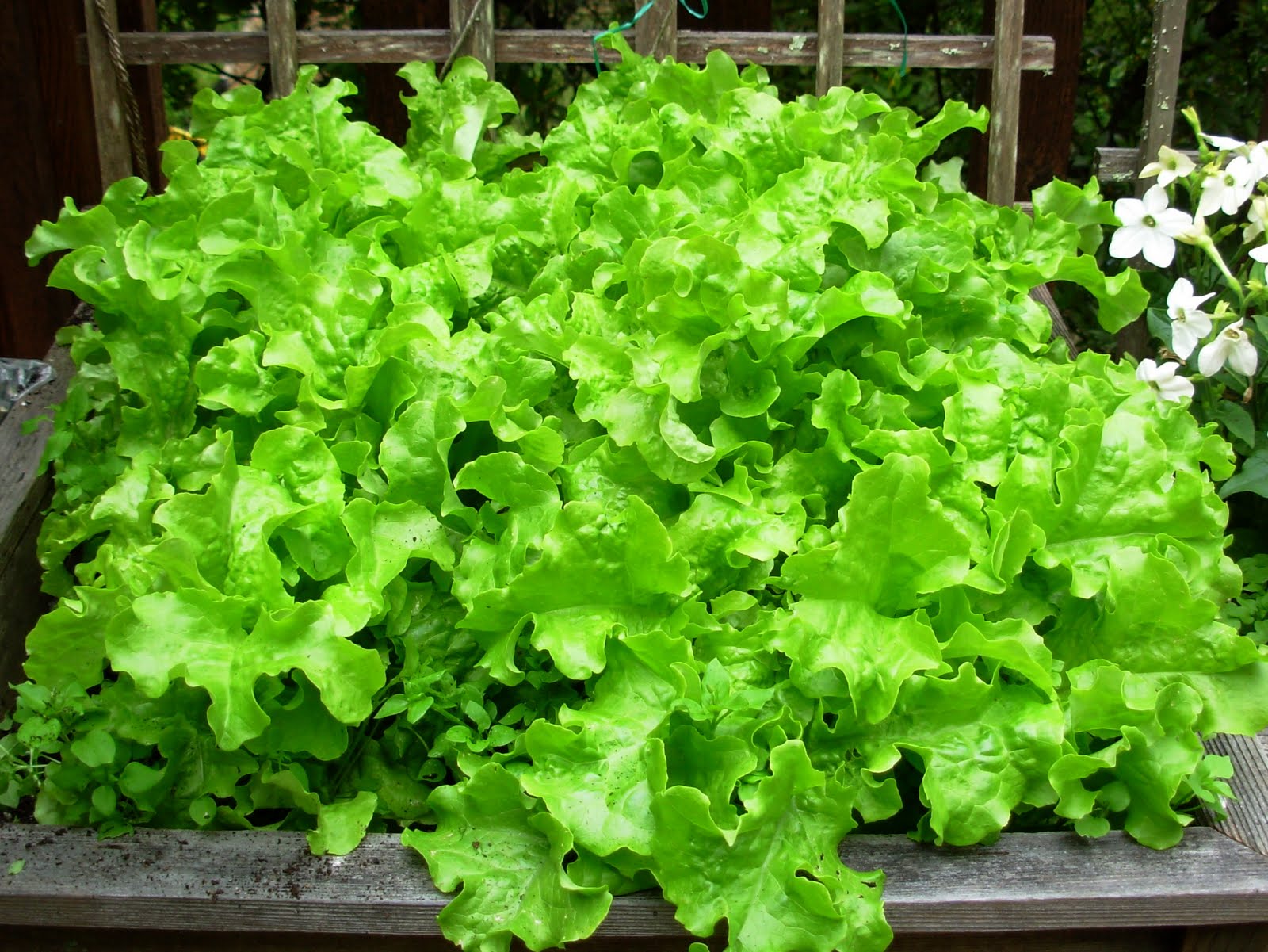
HOW TO GROW LETTUCE INDOORS


CLICK HERE FOR THE NEW GARDEN OF EADEN WEBSITE AND SEED SHOP

You can’t have a decent salad without a good helping of fresh, crisp, and flavoursome lettuce – at least not in my book, and if you buy your lettuce from the supermarket you are likely to be disappointed. Cold stored and packed in a special atmospheric environments – any flavour and healthy goodness would have disappeared days before you’ve even opened the packet!

So what’s the answer? Grow some in your garden from seed. It couldn’t be easier as lettuce seed will germinate on a piece of damp paper towel! Be that as it may, growing lettuce indoors involves a bit more work but you will be pleased to know that it is still very easy. Just follow the pointers set up below.

If you are without a heated greenhouse and you want to get off to an early start, you can sow your lettuce seed indoors. They will grow quickly, so you may wish to skip sowing them into seed trays and instead sow them directly into small pots or compartmentalized packs. Just make sure that you use containers that are large enough for the young plants to reach garden size without the need for potting on.

Fill your tray or container with John Innes 'seed and potting' mix to within a half-inch of the rim, then tap the side of the container to help settle the mix - top up with additional compost as necessary. If using pots or cells, place a few seeds into each one, and then give a light covering of compost, firming it down gently over the seeds. If you are using a seed tray then give an even sprinkling of lettuce seeds across the whole tray at approximately 5 seeds per square inch. Once done, give a light covering of compost and water in. Label with the variety and date of sowing, and place in into a covered propagator making sure the vents are fully open. This can now be left in a bright, room, but out of direct sunlight.

Be aware that the more light the seed tray receives, the better germination of lettuce seeds you will get. Once the lettuce seedlings reach about 2 inches in height, thin out and discard any that look weak. Those in the seed tray can be pricked out and potted on into a standard potting mix. Those already in pots can be hardened off in preparation for moving outside.

To harden off successfully they can be placed into a cold-frame outside during the day but keep the lid closed for a couple of weeks. Don’t forget to bring them back in over night – especially if a frost is forecast. Afterwards they can be left out both day and night, and the lid can be left open on dry, frost free days. Just remember to shut it again at night. After a further week or so, or when frosts are no longer expected, leave the lid open day and night for a week before planting outside in to their final position.

If your seedlings have been grown in a heated room then they will need to be hardened off earlier by moving them into a bright unheated room for a week or so first.

For related articles click onto:
Growing Radishes from Seed
How do you Harden off Seedlings?
How to Collect and Prepare Lettuce seeds for Propagation
How to Collect and Prepare Pea Seeds for Propagation
How to Collect and Prepare Sweet and Chilli Pepper Seeds for Propagation
How to Collect and Prepare Tomato Seeds for Propagation
How to Control Flea Beetles on Lettuce
How to Germinate and Grow Cucumbers from Seed
How to Germinate and Grow Melon Plants from Seed
How to Germinate and Grow Okra from Seed Indoors
How to Grow Aubergines From Seed
How to Grow Beetroot from Seed
How to Grow Brassicas from Seed
How to Grow Carrots from Seed
How to Grow Chinese Spinach from Seed
How to Grow Eggplants from Seed
How to Grow Giant Onions
How to Grow Greenhouse Tomato Plants from Seed
How to Grow Lettuce from Seed
How to Grow Lettuce Outside
How to Grow Okra from Seed Outdoors
How to Grow Outdoor Tomato Plants from Seed
How to Grow Radish from Seed
How to Grow Red Kidney Beans from Dried Seed
How to Grow Sweet Corn from Seed
How to Grow Winter Lettuce from Seed
How to Propagate and Grow Chili Peppers from Seed
How to Propagate and Grow Sweet Peppers from Seed
How to Propagate and Grow the Bell Pepper from Seed
How to Sow and Grow Courgettes from Seed Indoors
How to Sow and Grow Spring Onions from Seed
Organic Control of Aphids on Lettuce
Planting Lettuce Seed
Salad Crops for Late Summer/Autumn Planting

Photo care of cherylsgardengoodies

Sunday, 13 March 2011

HOW TO GROW ASPARAGUS FROM SEED INDOORS

CLICK HERE FOR THE NEW GARDEN OF EADEN WEBSITE AND SEED SHOP

When buying new asparagus plants, most plant retailers will only offer a small range of one or two year old plants. Although they will always look healthy in the pots, there is always a risk of failure when it comes to transplanting. This can be as much as 10%-15% for one year old stock and as high as 20% for 2 year old stock! When paying full retail prices - particularly with regards to 2 year old stock - this can end up being an expensive lesson. Growing asparagus from seed - either in pots or directly into the beds – will not only give you the best viability - with a survival rate of around 100% - it is also the cheapest way to obtain new stock. In addition, with direct sowing there is no transplanting or root shock to delay valuable root development.

The best time to sow asparagus seeds outside is around mid-April when the ground is warm enough to initiate germination. However, you can begin germinating asparagus seed as early as late February if you sow them under the protection of a warm windowsill or green house. However, they will need to be hardened off before they are planted outside in to their final position.

SOWING INDOORS

Some asparagus varieties like the popular 'Connovers Colossal' are best sown indoors and as mentioned, this can be done any time between February and March. A good tip is to soak the seeds in water for a couple of hours before planting as this will help to speed up the germination process considerably. When ready, plant the prepared asparagus seed into individual pots containing moist John Innes seed compost. These can now be placed in a warm room at approximately 15-18 degrees Celsius. Once the new asparagus seedlings begin to germinated, they will need to be moved to a cool, light area such as a windowsill, but keep them out of direct sunlight. Once the threat of frosts are over they will need to be gradually accustomed to conditions outside - this known as 'hardening off' and can take between 2-3 weeks. Once they are ready to be moved out into the asparagus bed proper, they can to be planted fairly deeply leaving a couple of inches of soil above the level of the compost. Keep them nicely watered over the summer period and - as always - keep the bed free of weeds, especially perennial weeds which will compete with your seedlings roots for nutrients.

Growing your own plants can delay establishment of your bed by an additional year, but it does ensure that you are starting with new crowns that have not lost any of their vigour through being lifted, stored and shipped. However, not only will you have a larger selection of varieties available to you, if you choose your varieties wisely you will still be able to harvest in their second year.

For more information click onto:
Asparagus Soup

Growing Asparagus from Seed
How do you Harden off Seedlings?
How to Collect and Prepare Butternut Squash Seeds for propagation
 How to Germinate and Grow Cucumbers from Seed
How to Germinate and Grow Melon Plants from Seed
How to Germinate and Grow Okra from Seed Indoors
How to Grow Asparagus Plants
How to Grow Asparagus from Seed Outside
How to Grow Aubergines From Seed
How to Grow Beetroot from Seed
How to Grow Brassicas from Seed
How to Grow Brussels Sprouts from Seed
How to Grow Butternut Squash from Seed
How to Grow Cabbage from Seed
How to Grow Carrots from Seed
How to Grow Chinese Spinach from Seed
How to Grow Cucumbers from Seed
How to Grow Eggplants from Seed
How to Grow Giant Onions
How to Grow Okra from Seed Outdoors
How to Grow Radish from Seed
How to Grow Rocket from Seed
How to Grow Red Kidney Beans from Dried Seed
How to Grow Spinach from Seed
How to Grow Sweet Corn from Seed
How to Grow Sweet Corn
How to Grow Sweet Potatoes in Pots or Containers
How to Grow Tomatoes from Seed
How to Make an Asparagus Bed
How to Plant Asparagus Crowns
How to Propagate and Grow Sweet Peppers from Seed
How to Make and Prepare an Asparagus Bed
How to Sow and Grow Courgettes from Seed Indoors
How to Sow and Grow Courgettes from Seed Outdoors
How to Sow and Grow Spring Onions from Seed
How to Take Cuttings from Sweet Potatoes
Organic Control of Asparagus Rust
The 'Garden of Eaden' Seed Shop
Which Vegetable Seeds can be Sown in January? Photographs care of The Green Blog and Paradise Garden